Disaster Preparedness and Management
At ABKT, we recognize the growing impact of climate change, particularly in vulnerable regions like Khyber Pakhtunkhwa and the newly merged districts. To address this, we are actively working on Disaster Preparedness and Management to build community resilience and ensure sustainable development.
Our approach emphasizes the critical role of women and local government institutions in disaster preparedness. Engaging women, who are often the most affected by climate-induced disasters, ensures a more inclusive and sustainable response. Women possess unique knowledge of their communities and are often central to resource management, which makes their involvement crucial in climate adaptation, emergency preparedness, and disaster recovery. By empowering women through capacity-building programs, we strengthen community resilience and promote gender equality.
Moreover, local government institutions play a key role in ensuring that disaster preparedness and management strategies are effectively implemented. By advocating for the active participation of local governments, ABKT works to improve coordination, resource allocation, and policy development at the grassroots level. This collaboration enhances community response capabilities and creates a stronger support network for disaster-prone areas.
These initiatives not only reduce disaster risks but also promote sustainable development, protecting the future of the communities we serve. By integrating disaster preparedness into development planning, and by empowering women and engaging local institutions, ABKT is building resilient communities that can thrive despite the challenges posed by climate change.
Our efforts include:
Raising Awareness about Climate Change Impact: We conduct educational campaigns to inform communities about the severe risks posed by climate change, emphasizing the importance of preparedness. Special efforts are made to engage women and local leaders, recognizing their key role in raising awareness and taking action within households and the community. By involving women and local governance structures, we ensure that climate change adaptation is a collective effort, maximizing the impact of our campaigns.
Capacity Building for Climate Adaptation: Through tailored training sessions, we equip local communities, particularly women, with the knowledge and tools to adapt to changing environmental conditions. By empowering women to take on leadership roles in climate resilience efforts, we strengthen the community’s capacity to respond to climate-related risks. Engaging local government institutions in these efforts fosters long-term sustainability by integrating adaptation strategies into local policies and practices.
Watershed Management: To protect and enhance natural water sources, we promote sustainable practices that help preserve ecosystems and support agricultural productivity. Our watershed management initiatives actively involve women in decision-making, ensuring that they contribute to and benefit from water conservation. Collaboration with local government authorities enhances resource management, ensuring continued water security for the community.
Plantation and Nursery Raising: ABKT supports reforestation and the cultivation of nurseries to mitigate environmental degradation, combat desertification, and reduce carbon footprints. Women are integral to our nursery-raising initiatives, and they receive training in sustainable practices that contribute to reforestation efforts. In partnership with local government institutions, we aim to scale these projects and make them a central part of community resilience strategies.
Climate-Smart Agriculture: ABKT promotes climate-smart agricultural practices to help farmers, especially women, adapt to climate challenges. By training them in the cultivation of climate-resilient crops and sustainable farming methods, we secure food production and provide stable income sources. Our collaboration with local governments helps to integrate these climate-smart approaches into agricultural policies, making local farming systems more resilient and sustainable.
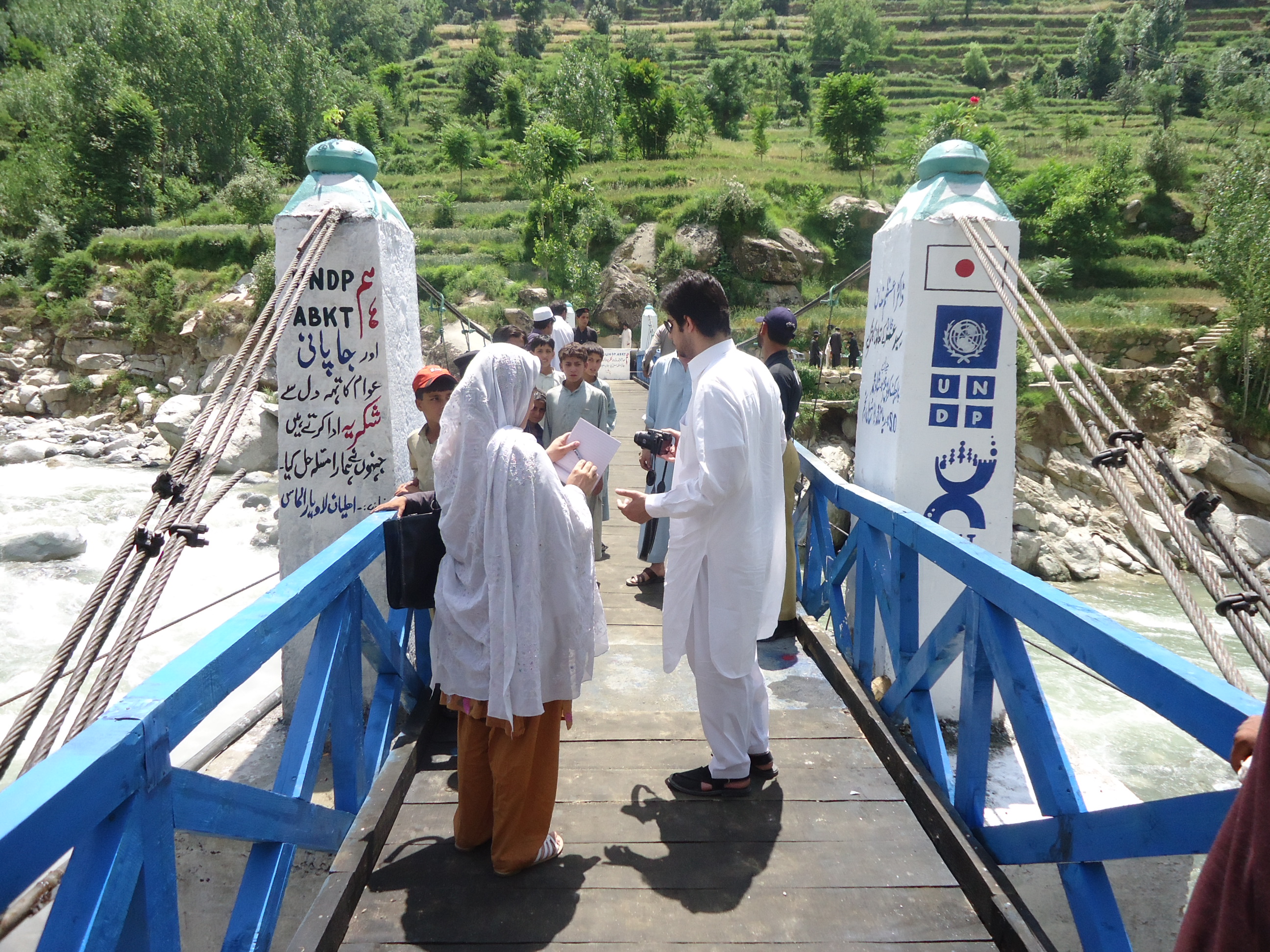
Rehabilitation of Community Infrastructure:We work to restore essential infrastructure, including health and education facilities, that are often damaged by natural disasters. Engaging women in these efforts is critical, as they ensure that restored infrastructure meets the needs of all community members. Local government involvement helps to prioritize and support these rehabilitation efforts, making them sustainable and effective in improving community resilience.
Advocacy for Local Government’s Role in Disaster Preparedness: ABKT emphasizes the importance of local governance in disaster management, advocating for stronger roles and frameworks at the community level. We focus on empowering women leaders to work with local government institutions to improve disaster responsiveness and preparedness. This collaboration helps ensure that disaster management plans are inclusive, locally relevant, and better equipped to mitigate the risks posed by climate change.
 Association for Behavior and Knowledge Transformation (ABKT)